
DMA, step & zero-pressure testing
Isolated zone (DMA) setup, step testing and zero-pressure testing narrow down which main the loss is concentrated in; the measurement area is reduced.
Field services
Each service can be taken on its own. The highest yield comes from running them all together within one programme and recording them on the platform.
01
Trunk-main crossings, patch areas, service connection points and critical points are listened to point by point at night, when network noise is lowest and the leak sound is most distinct.
The suspect point is narrowed down with a ground microphone and digital listening devices; with a correlator, the leak position is set to the metre between two contact points. The method is non-destructive; excavation is done only at the confirmed point.
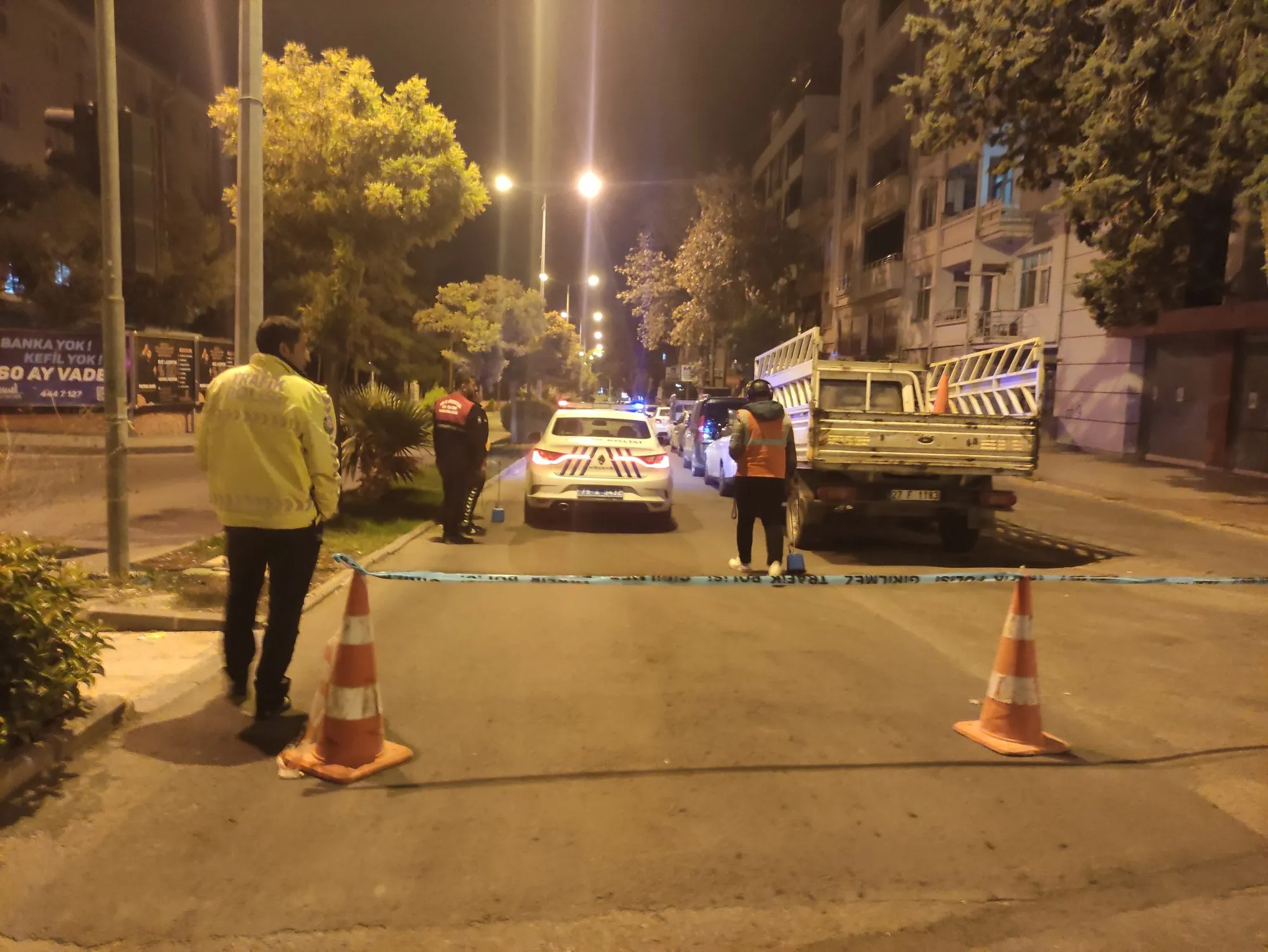 Night · survey with traffic safety
02
An ultrasonic flow meter is installed at reservoir outlets and critical network points; flow is logged for 24 hours.
A minimum night flow analysis is used to calculate the physical and apparent loss shares. In line with the IWA water balance methodology, the non-revenue water (NRW) rate, the loss volume and its financial value are reported.
03
24/7 pressure tracking is carried out with data loggers placed at critical points. High- and low-pressure anomalies are reported.
Evening out the pressure lowers the leak flow and the risk of new bursts and extends pipe life. Pressure problems are often related to the distance from the pump; for a correct diagnosis the measurement points are chosen systematically.
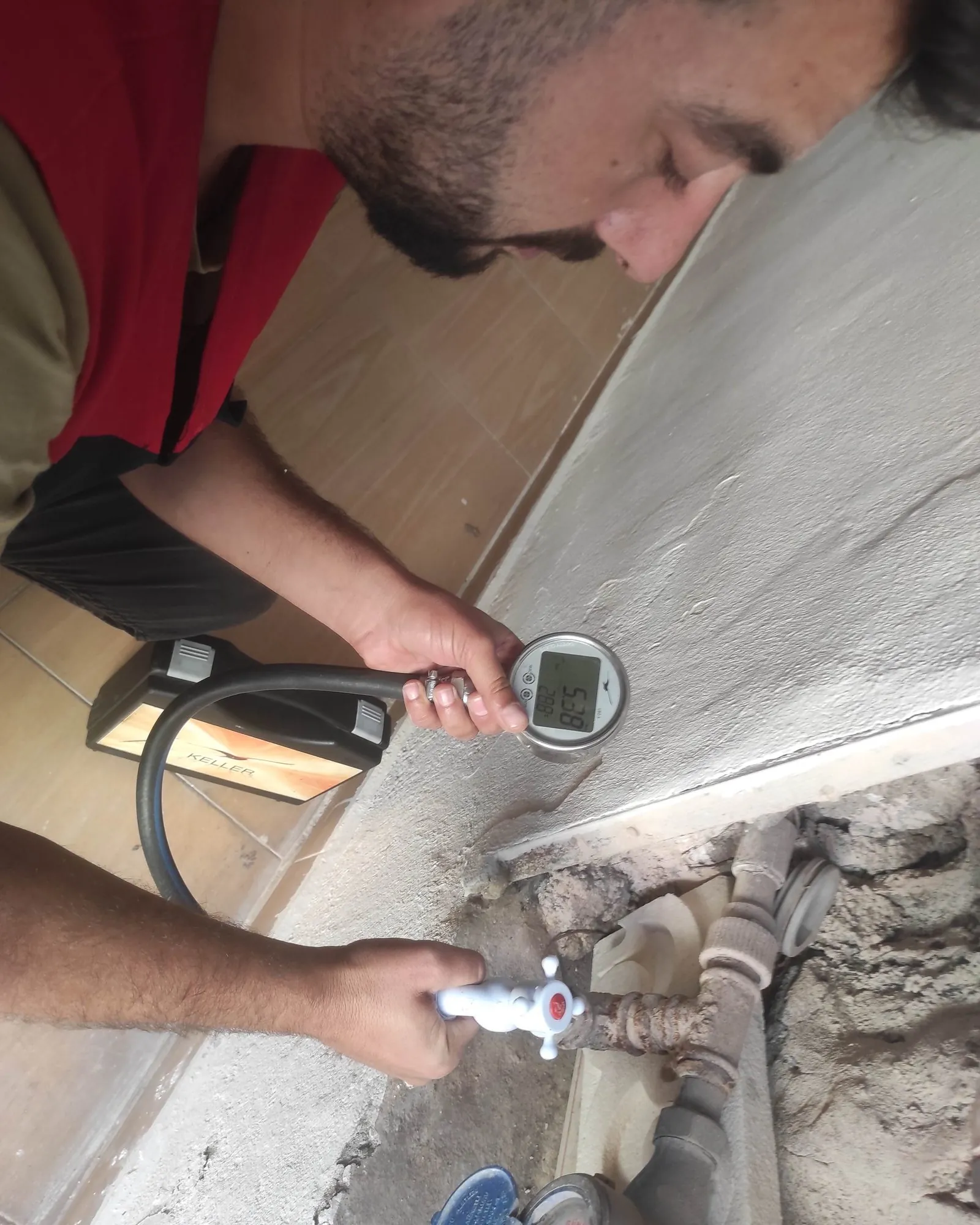 Customer point · pressure measurement
Other services
Isolated zone (DMA) setup, step testing and zero-pressure testing narrow down which main the loss is concentrated in; the measurement area is reduced.
All fault and loss points are mapped with coordinates, sound level and a photo. The municipality receives an interactive map and a permanent digital archive.
Training for municipal teams in acoustic listening, pressure management, water balance and digital infrastructure planning; building in-house capacity.
Working method
The network map, meter data and the existing water balance are reviewed. Critical zones and a priority order are set.
Flow and pressure loggers are installed. Day/night acoustic listening is carried out and data is collected regularly.
Data is processed in a GIS environment. Leak points are located on the map and ranked by impact.
A fault report, water balance and NRW calculation are delivered. The loop closes with a post-repair check listen.
Getting started
In a short video call we go over the current situation and the approach.