
Blog
Step testing to narrow down leakage
Knowing a zone has loss is not enough; you need to narrow down which street it is on. A step test closes valves one by one through the night and watches how much flow drops at each step, splitting the loss between sub-sections.
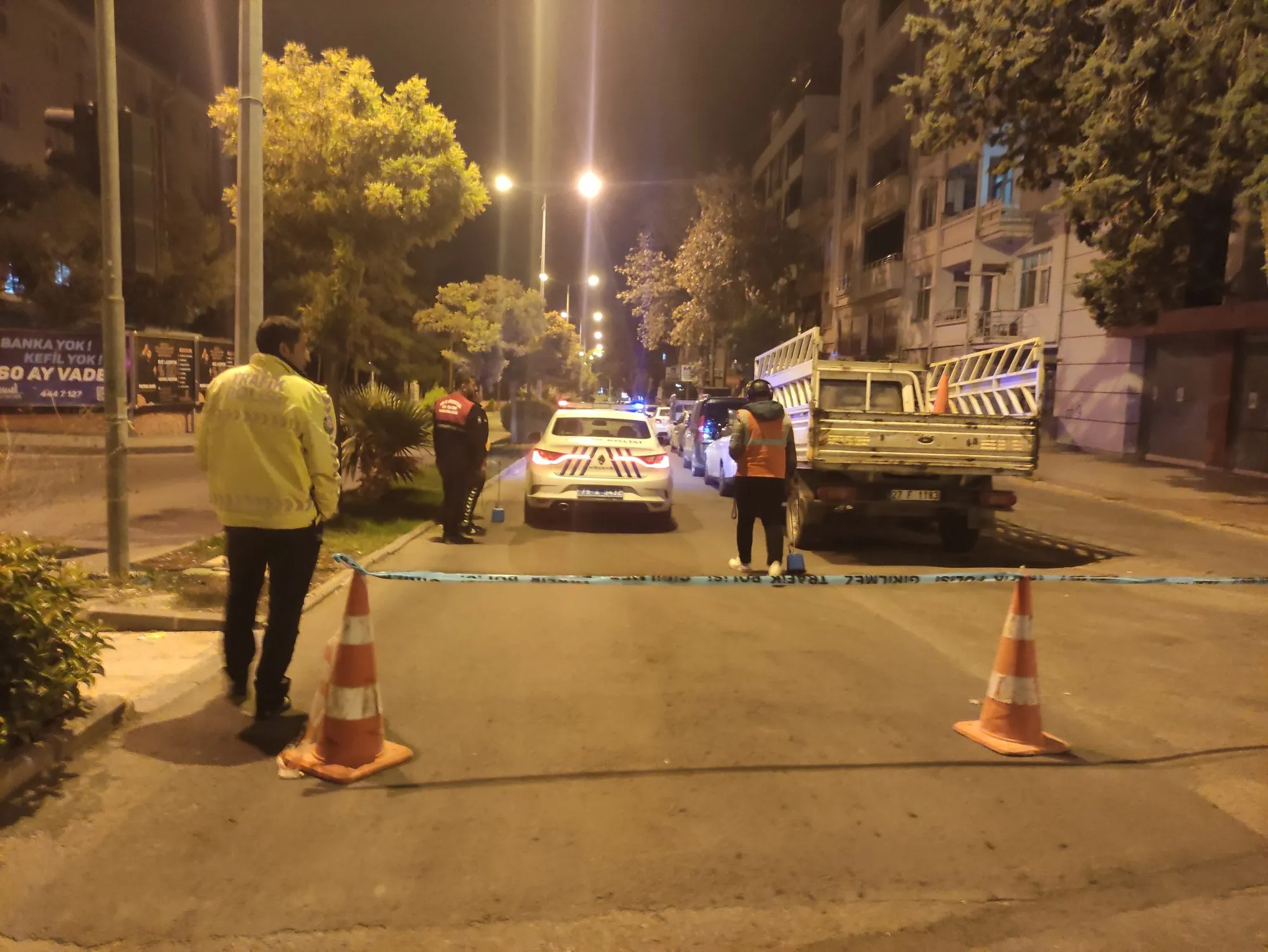
The purpose of a step test
When the minimum night flow of a District Metered Area (DMA) comes out high, physical loss in that zone is established, but not which street it is concentrated on. A step test divides the zone temporarily into small sub-sections and measures each one's contribution to the flow in turn.
The output is an ordered list of a few-hundred-metre lengths of main that hold most of the loss. Without it, the acoustic crew must listen point by point along kilometres of pipe. Because a step test narrows the search area, acoustic detection becomes faster and more accurate. A step test does not find the leak; it decides where to look for it.
Preparation
The reliability of the test rests on preparation. The first requirement is an up-to-date network map: pipe diameter, material, direction of supply and the position of every valve inside the zone. If the map is incomplete, there is no way to tell which main a closed valve feeds, and the steps lose their meaning.
From the map, a valve list and a closing order are drawn up, working from the far end of the zone back toward the inlet. Every valve on the list is tried in daylight first: does it close fully, is its spindle sound, is its chamber accessible. A valve that will not close, or that passes water, makes that step's flow read lower than it is.
The test is run in the night window when legitimate demand is lowest, typically between 01:00 and 04:00, so the steps largely reflect leakage rather than customer use. Customers are told in advance of a possible brief interruption; where users need water continuously, the plan is arranged around them.
Execution: closing valves from the far end back
The flow meter at the zone inlet logs continuously through the test, in steps of a second or two, at most a few minutes. Working through the prepared order, the crew closes the valves one at a time, starting at the far end. Each closure is made slowly: a sudden shut-off sends a pressure surge through the main and lifts sediment.
After a valve is closed, the flow is left to settle to a new balance; as the pipe volume fills, it steadies within a few minutes, and the reading is taken only then. The value recorded is the flow still passing the inlet once everything beyond that valve is cut off. The next valve is closed and the wait repeated, so the zone shrinks step by step toward the inlet.
Reading the flow steps
The finished test leaves a series of flow drops, one per valve closure. The drop at a step is the flow the length of main just isolated by that valve was carrying at that moment. Because legitimate night use is small, most of it is taken to be physical loss.
A large step — the inlet flow falling markedly when one valve is closed — shows a heavy leak on that sub-section; a small step says that length is relatively sound. The steps should sum to the total night flow at the inlet; a large mismatch points to a valve that did not close or a connection that was missed, and that part of the test is repeated.
A step test gives a distribution, not a position. It brings the loss down to which length of main, within a few hundred metres, not to where on that length. The figures compare relative magnitude rather than measure flow precisely — temperature, pressure and valve leakage all affect the result.
Interpretation and the next step
The high-loss sub-sections are ordered into a priority list, with each length's material and failure history, and handed to the acoustic crew. Starting from the highest-loss length, they move to pinpoint location with a ground microphone and a correlator.
Where the loss is spread over several lengths, each is planned as a separate field task. After repair, the zone's minimum night flow is measured again; if the drop falls short of expectation, the step test is repeated to narrow the remaining loss. The cycle continues until the zone reaches its target loss level. For the measurement side, see the flow measurement article.
Risks and precautions
Because a step test runs the network in an unusual configuration for a while, it carries risks. Closing and opening valves changes flow velocity and direction; sediment in the pipe is disturbed and can cause discolouration. Slow operation, and flushing the main afterwards if needed, limit this. Fast closures also create pressure transients that stress weak joints.
As the zone is split up, some parts are left unfed for a time; if a fire-flow demand arises then, response can be delayed. The plan must allow for fire-service access and keep interruption windows short. The most insidious mistake is leaving a valve shut at the end, which creates a permanent one-way feed and a low-pressure pocket.
For this reason every closed valve is entered on a checklist, and as soon as the test ends all valves are reopened in reverse order. Each is confirmed fully open by counting spindle turns or seeing the line pressure return. Before the crew leaves, the zone's normal flow and pressure are verified to have returned to their earlier values.
Also on the blog
Related articles.
How to tell if there is a water leak: 8 signs in a network
Signs of a hidden leak in a drinking-water network: rising night flow, pressure drop, a wi…
What is flow measurement, and how is it done in a network?
The purpose of network flow measurement, temporary measurement with a portable ultrasonic/…
Pressure management and pressure zones (PMA)
How high and fluctuating pressure drives leaks and bursts, setting up a pressure managed a…
For your network
Let's measure the loss and pinpoint it.
In a short video call we can review the current situation and the method to apply.